
The University ClockTower
Landmark rings in a century


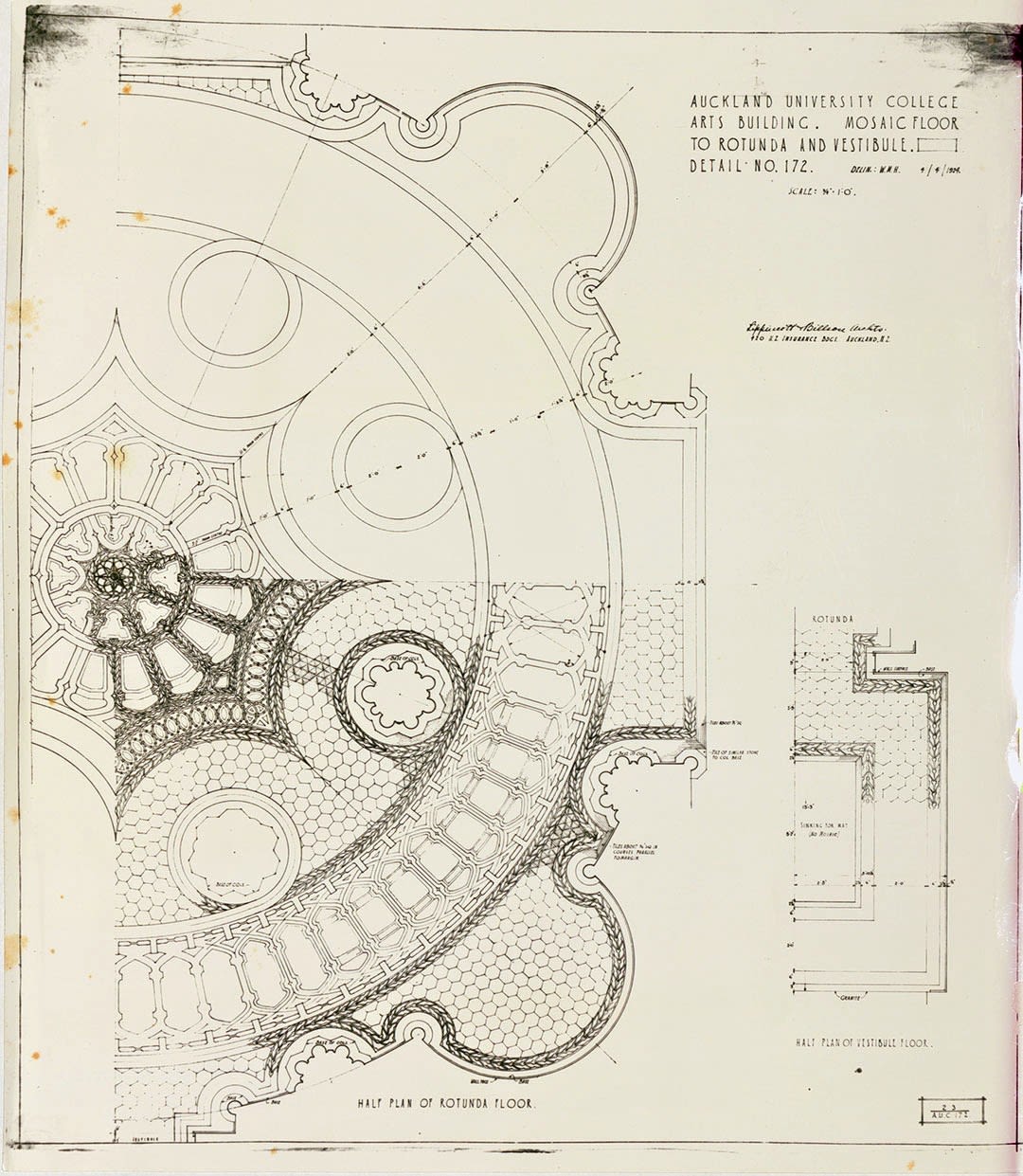
The original plans, had a construction cost of £97,000
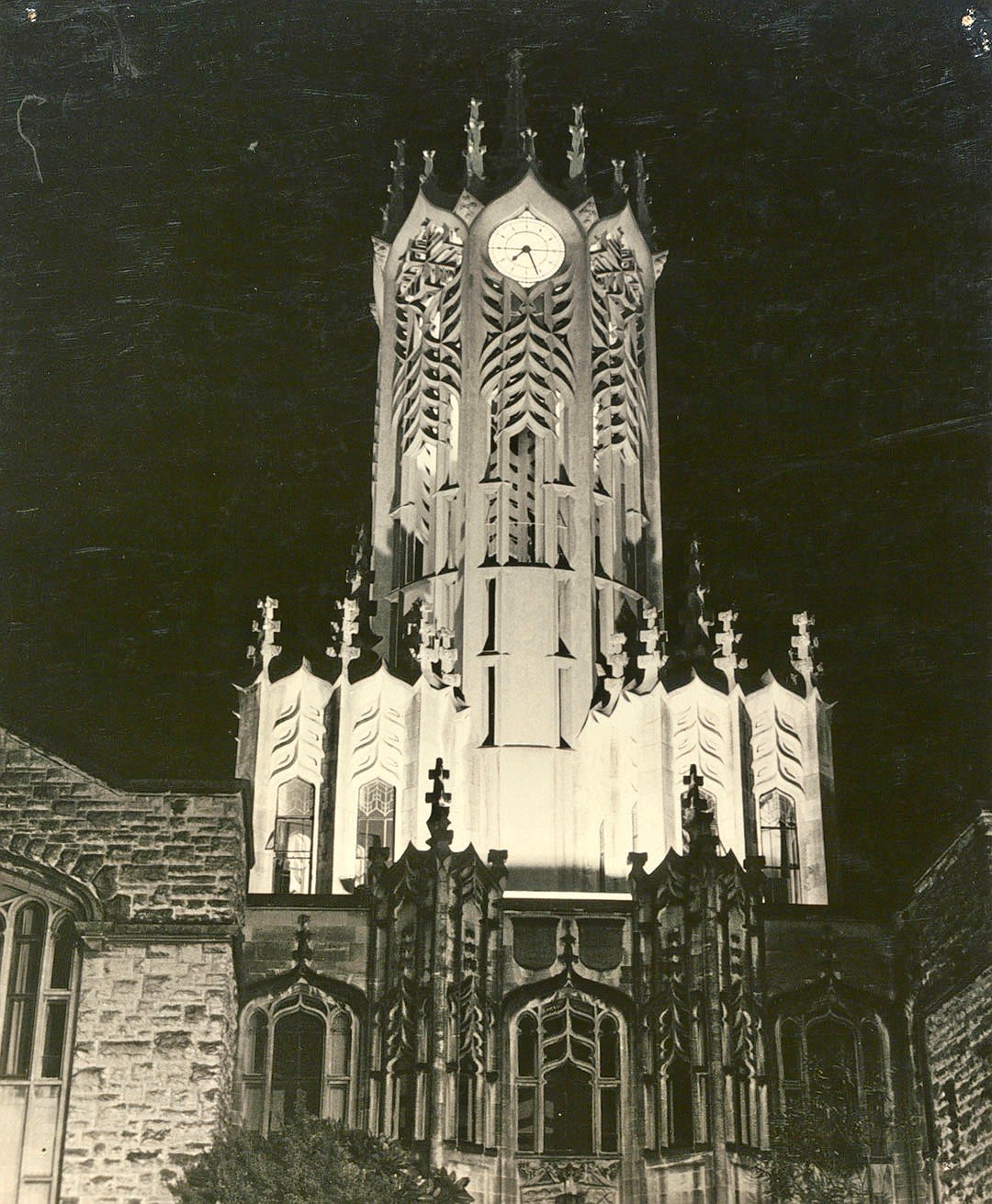
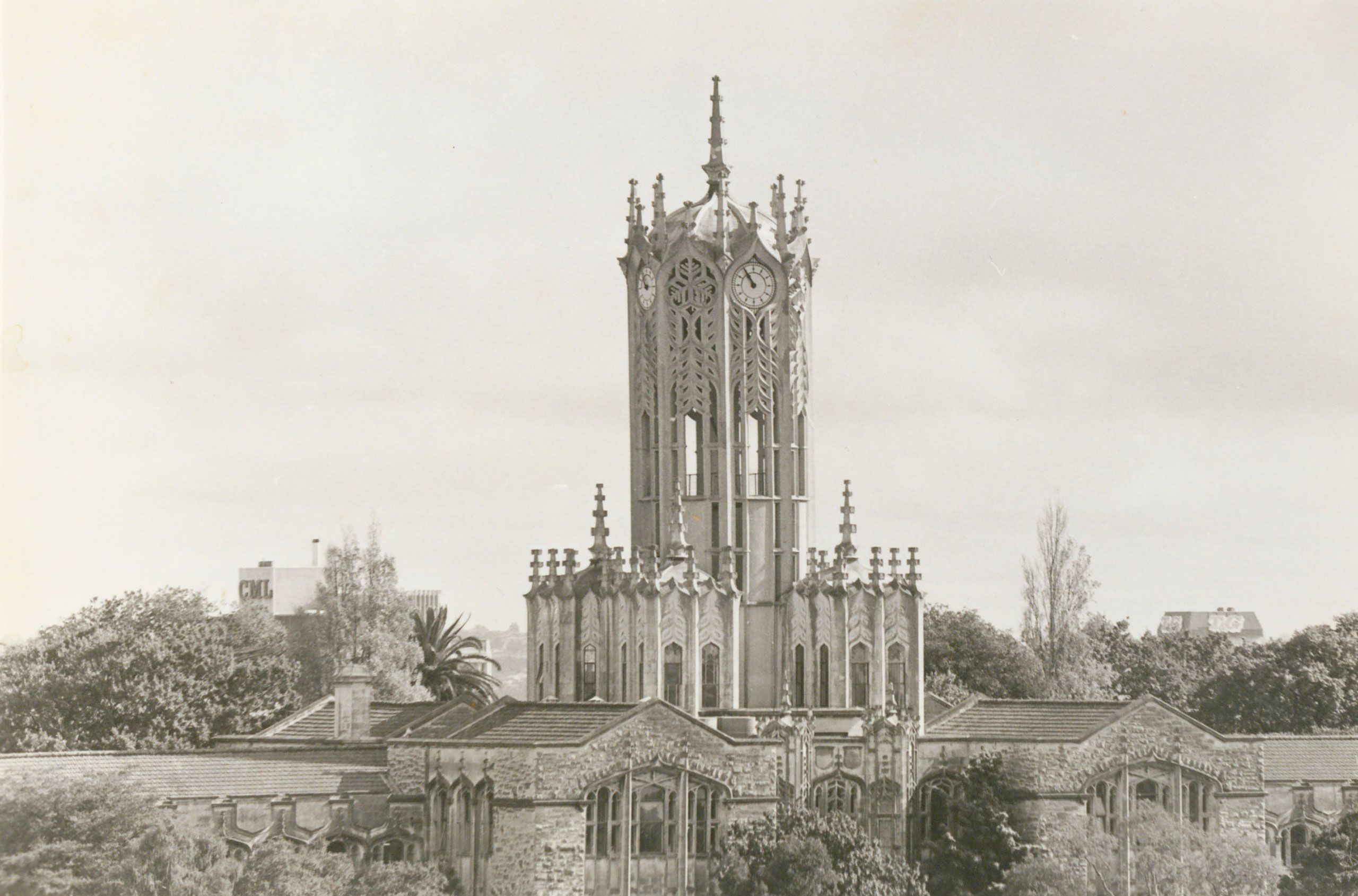
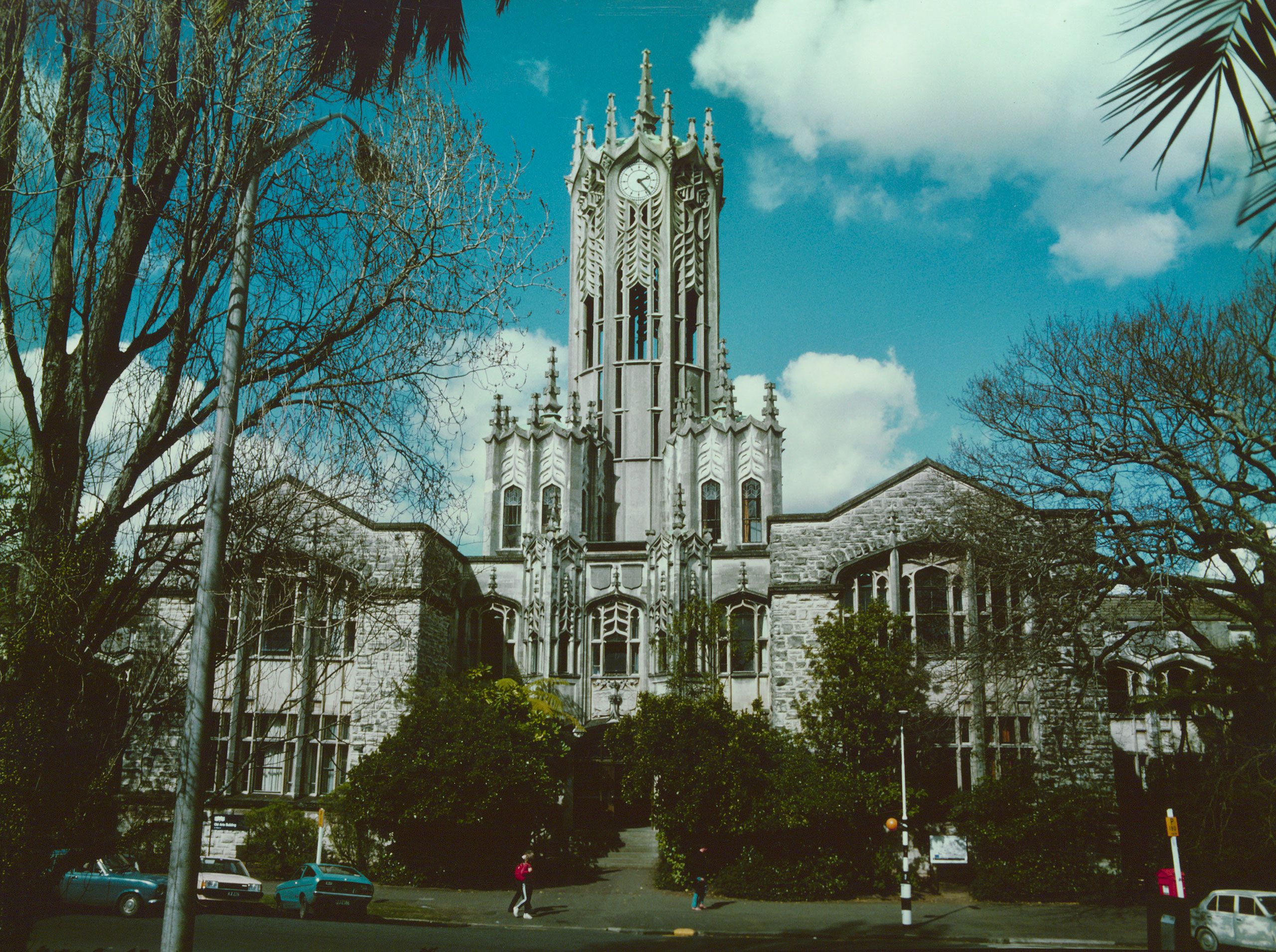
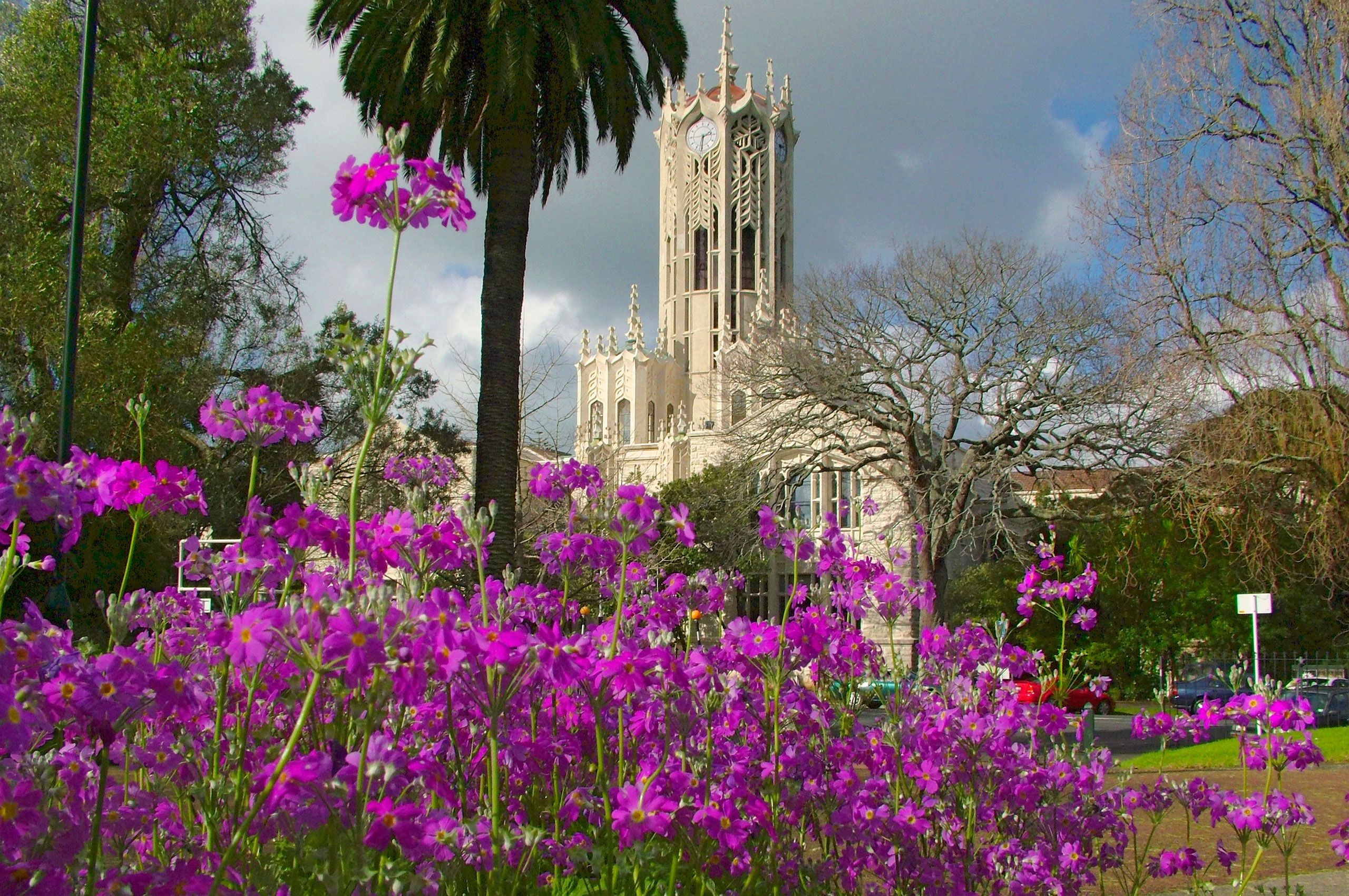
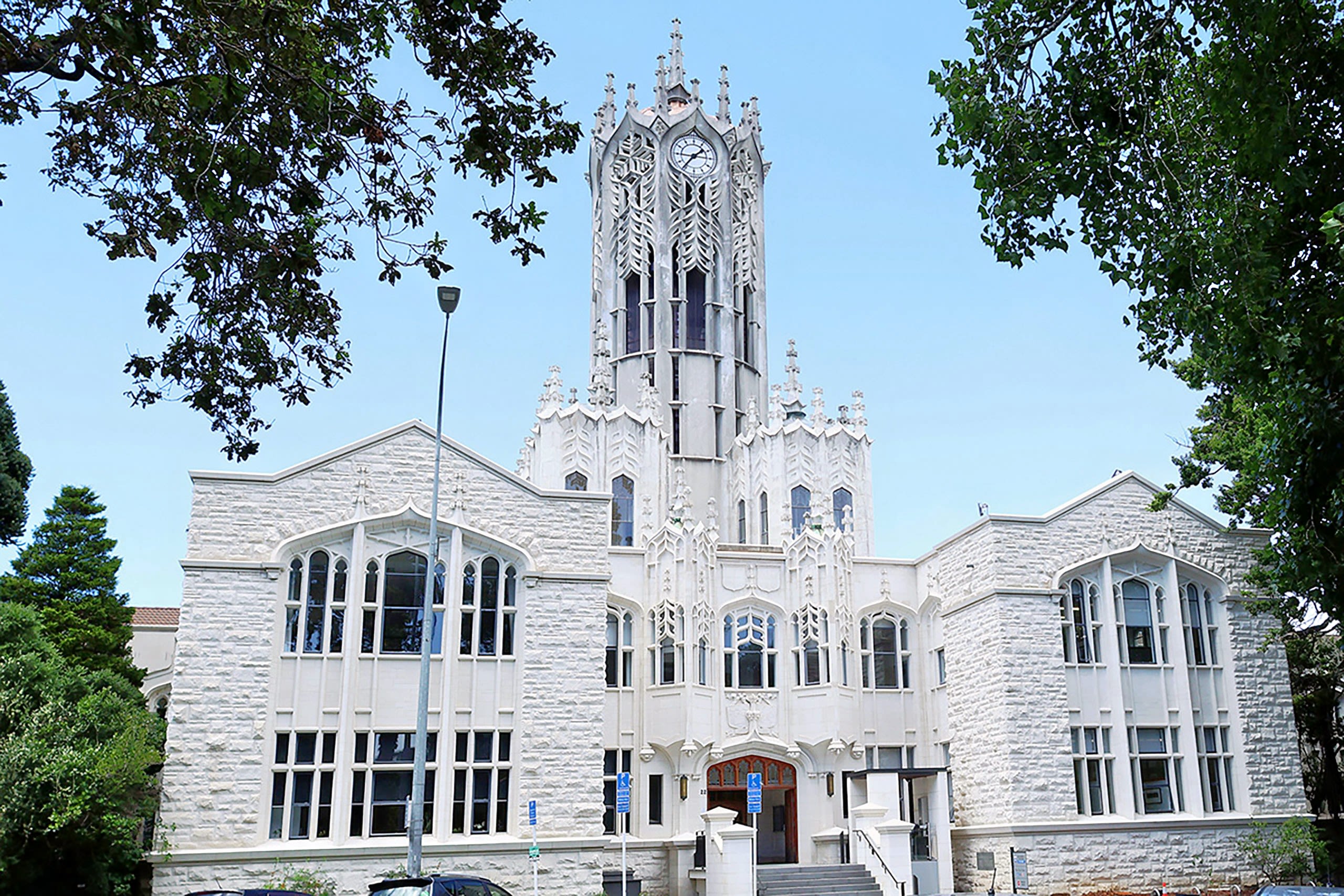
Standing sentinel for a century, the ClockTower has become a symbol of Waipapa Taumata Rau, University of Auckland, conveying the gravitas and prominence of the institution.
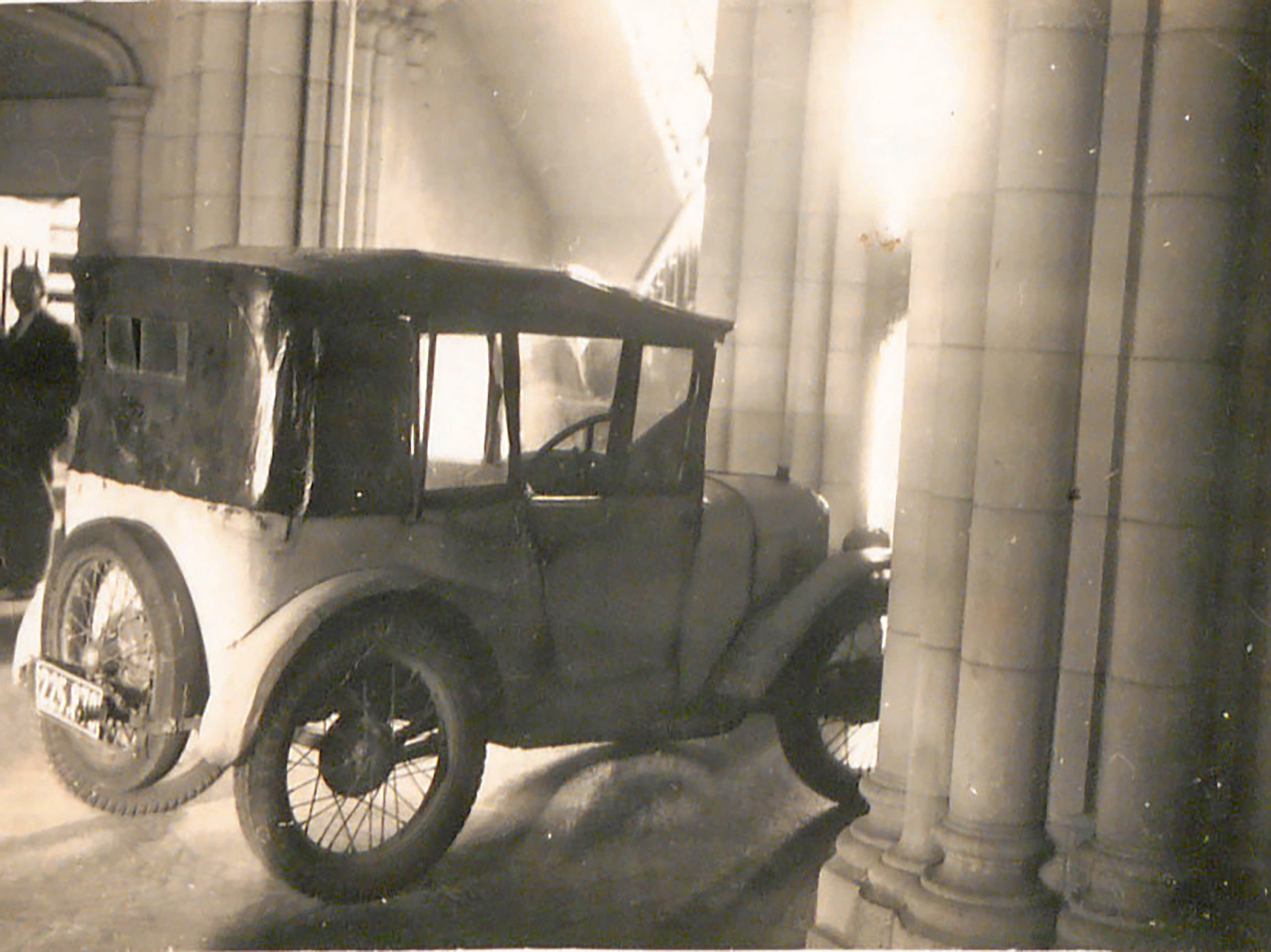
But it’s also been the site of some not-so-serious activities – such as the time a car was parked in its foyer or an umbrella planted high up on one of its spires in the heyday of capping stunts.
They’re details that Cultural Collections team leader William Hamill and University archivist Jane Ferguson have unearthed while curating an exhibition, ‘Standing tall: a century of the ClockTower’, highlighting the building’s history.
The 12th of March marks 100 years since the landmark building was officially opened as the home of Arts, Architecture, Law and Music as well the University’s Library.
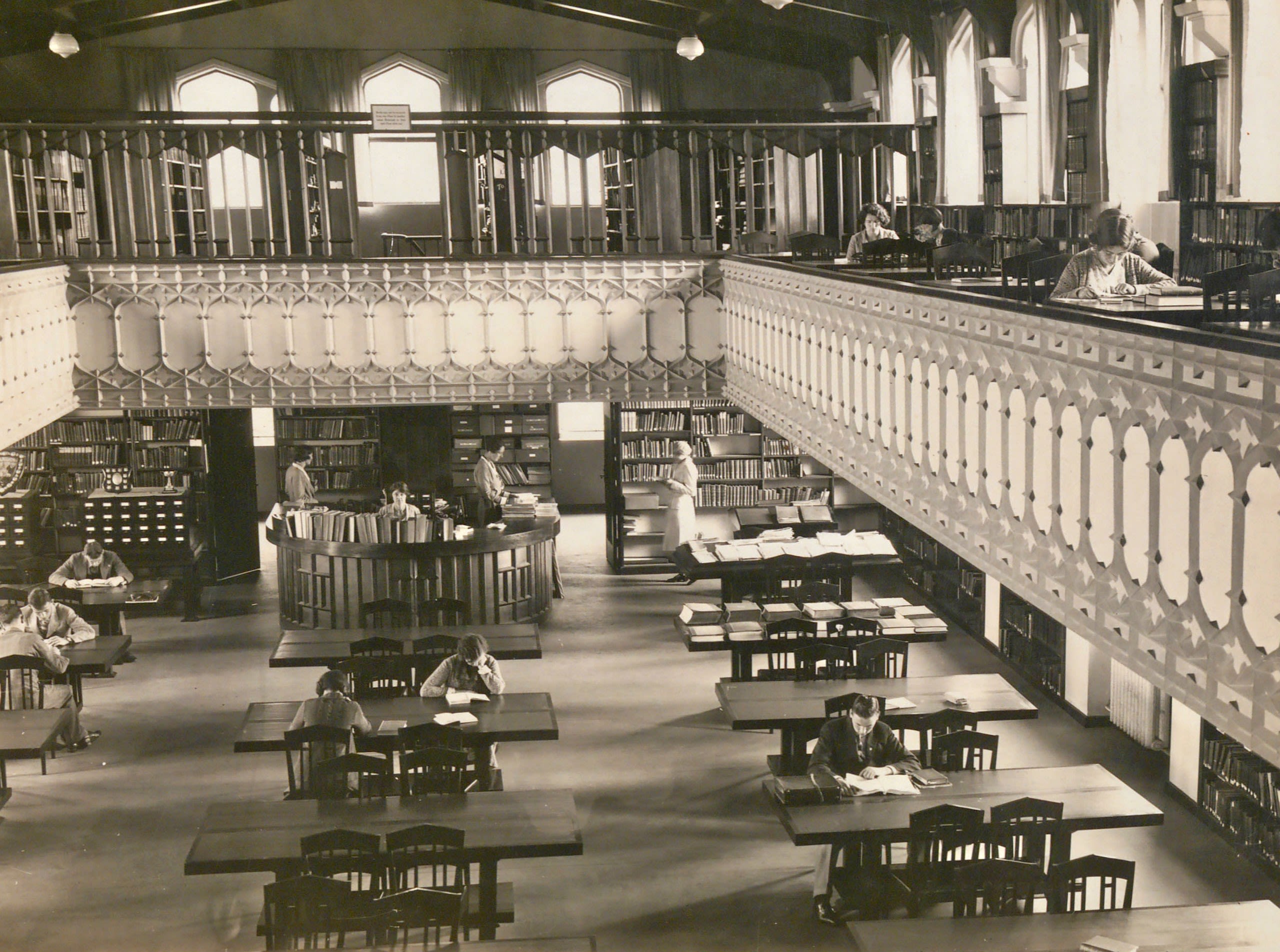
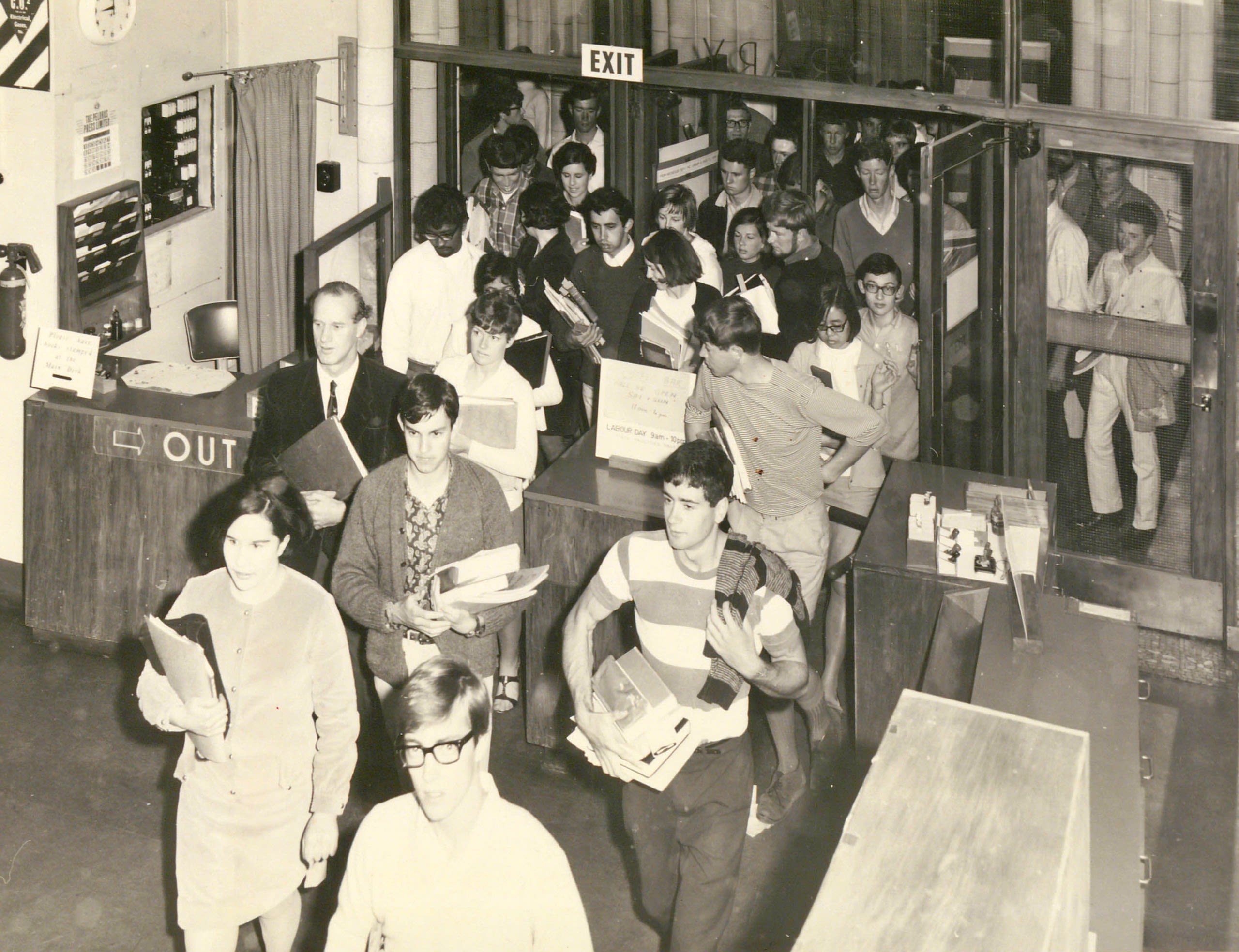
Hamill says that while curating material for the exhibition – which contains everything from photographs and original building plans to ClockTower ‘merch’ – he was struck by how central the building has been to student and social life for so many years.
“There was a time when the ground floor was used as a ballroom and would host up to 1,000 people for the graduation ball, which was a highlight of the Auckland social calendar,” he says. “While others will remember it as the backdrop to many Summer Shakespeare productions.”
When the University gained funding in the early 1920s to create its first significant purpose-built building, a trans-Tasman competition was launched. The successful design – selected by architects Professor Leslie Wilkinson, Basil Hooper and Walter Cumming – was by architects Roy Lippincott and Edward Billson, and their original plans for the building, including costings (£97,000), are a highlight of the exhibition.

“The ClockTower tells the story of how the University has grown."
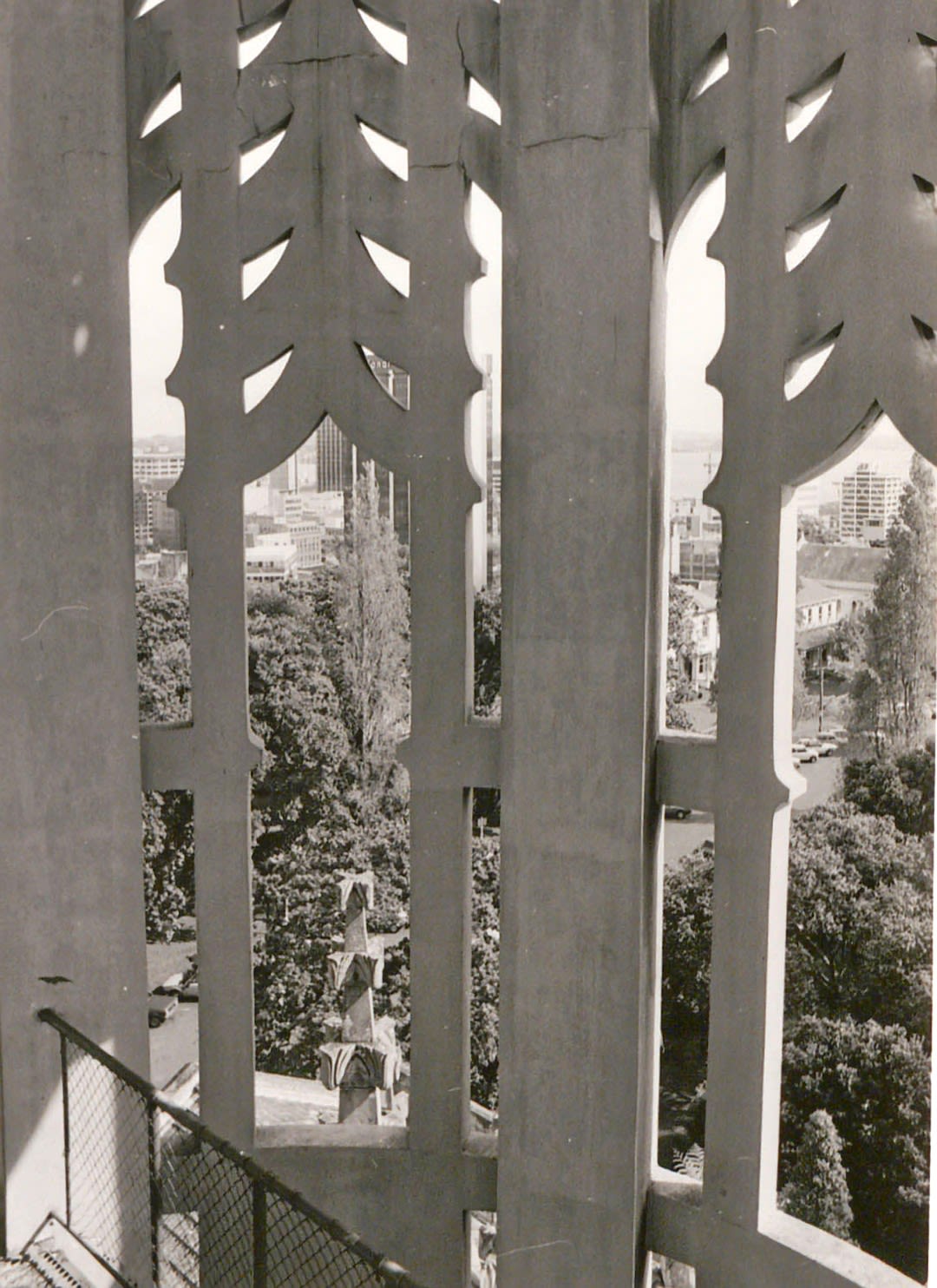
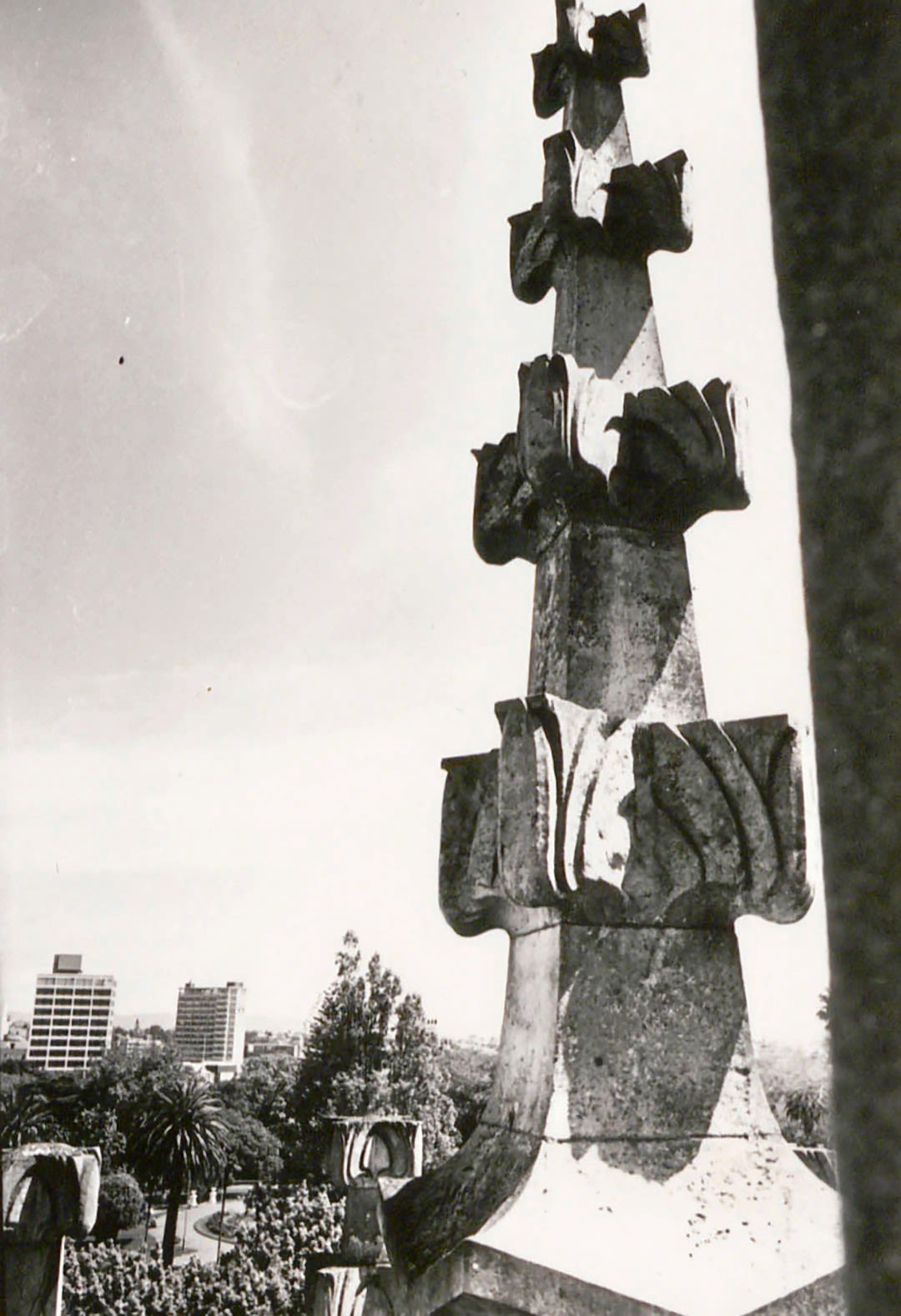
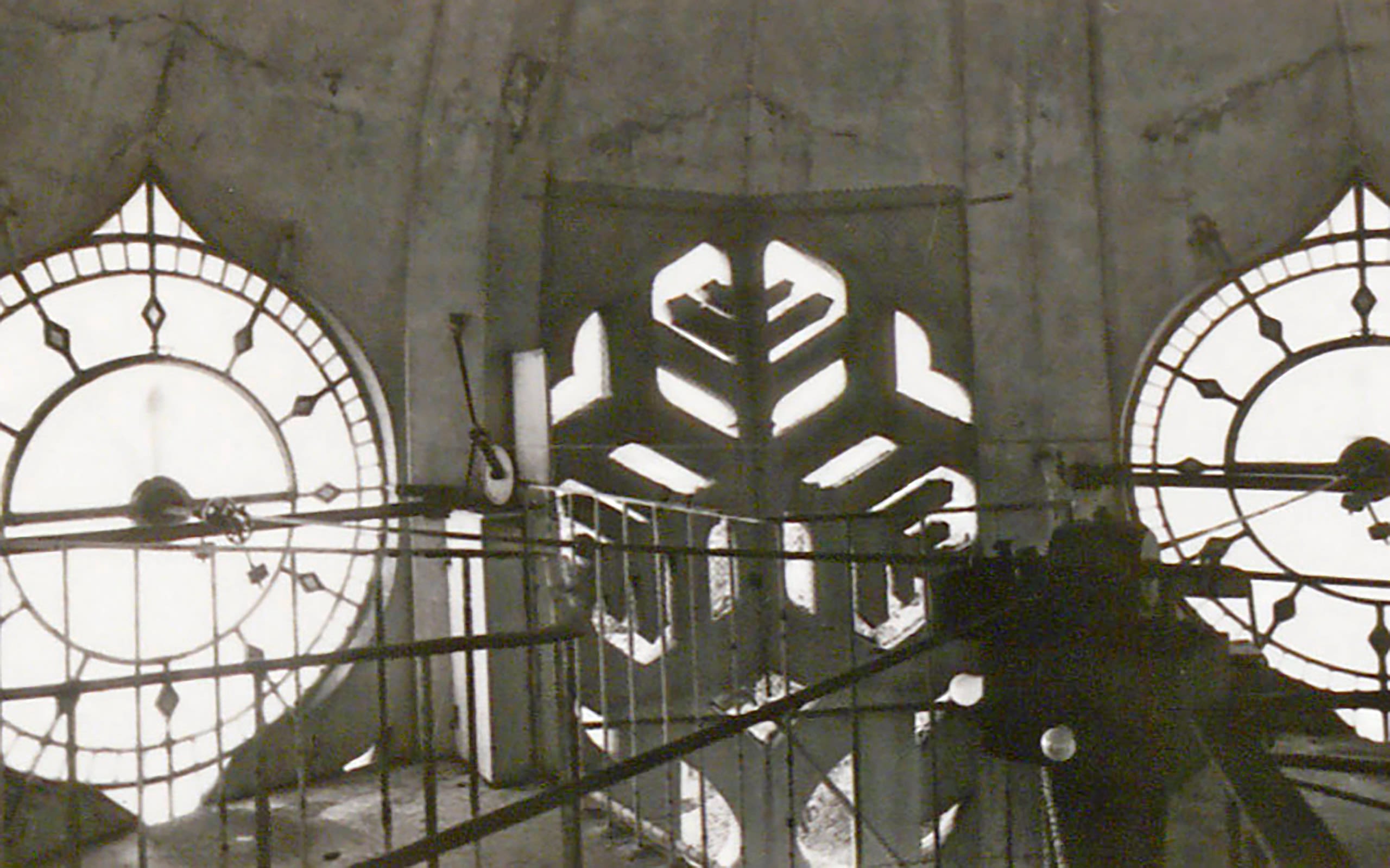
American-born Lippincott moved from Melbourne to Auckland to oversee the build, which raised some eyebrows. Many expected a more traditional, ‘English’ design, but the winning plan was heavily influenced by the Arts and Crafts movement of the time, embracing elements of the natural world, including native flora and fauna. Where gargoyles might conventionally sit, the design placed kākā and kea, while ponga fronds and kōwhai flowers provide other decorative flourishes on the building’s exterior.
Faced with Mt Somers stone, the building’s white exterior earned it the nickname ‘the wedding cake’ but its tower, as well as other elements, were made of concrete – an early use of the building material in a New Zealand.
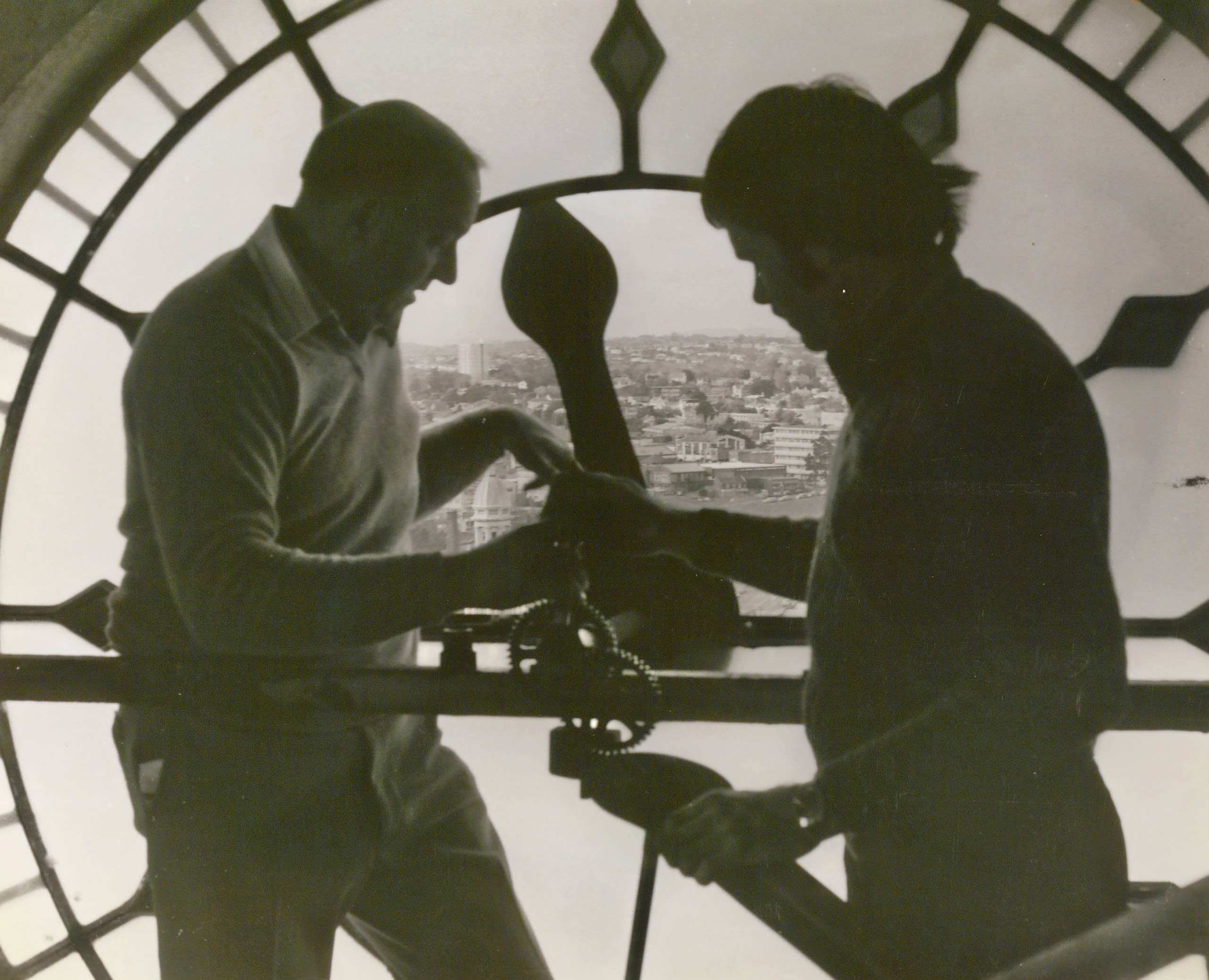
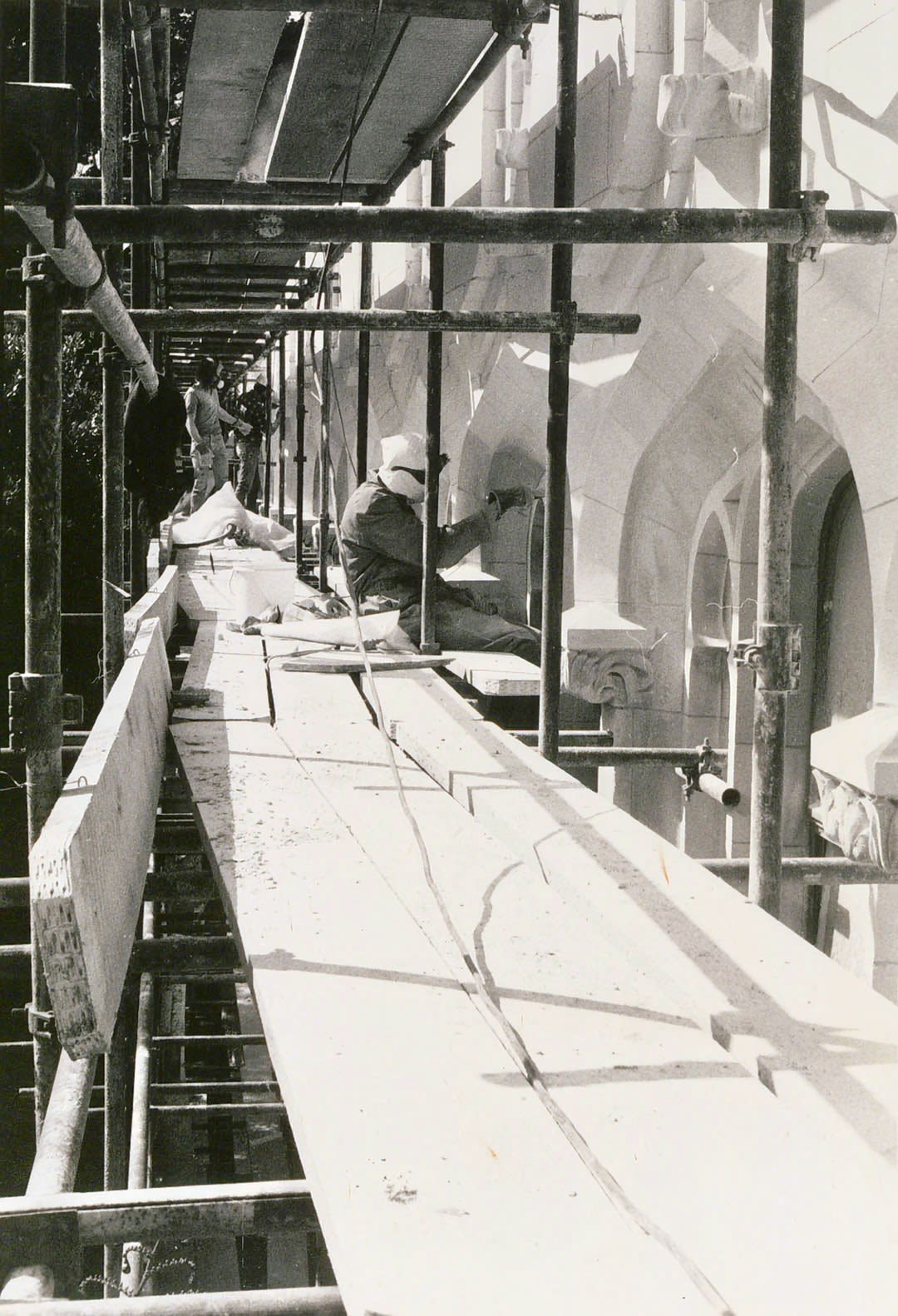
The exhibition features images of student life in the building and milestones in its history, such as the extensive earthquake strengthening work that was undertaken in the 1980s and its conversion into the administrative heart of the University, which today houses the offices of the Vice-Chancellor and other senior leaders.
“The ClockTower has become an icon of the University – its image is on everything from calendars to plates,” says Hamill, “but its changing use also tells a story of how the University has grown and changed over the course of a century.”
Standing tall: a century of the ClockTower runs until 24 June, at the He Māra Mahara Reading Room, level M of the General Library, 5 Alfred St, Auckland.












 Built with Shorthand