
Bird's eye view
of ancient Pacific life
Piecing together how birds and humans interacted in the Marquesas Islands of French Polynesia hundreds of years ago is the focus of a new study at the University of Auckland.
By Julianne Evans


Birds and humans have always lived interconnected lives across the Pacific, with particular birds important for navigation, adornment and exchanges, as well as for food and ceremonies.
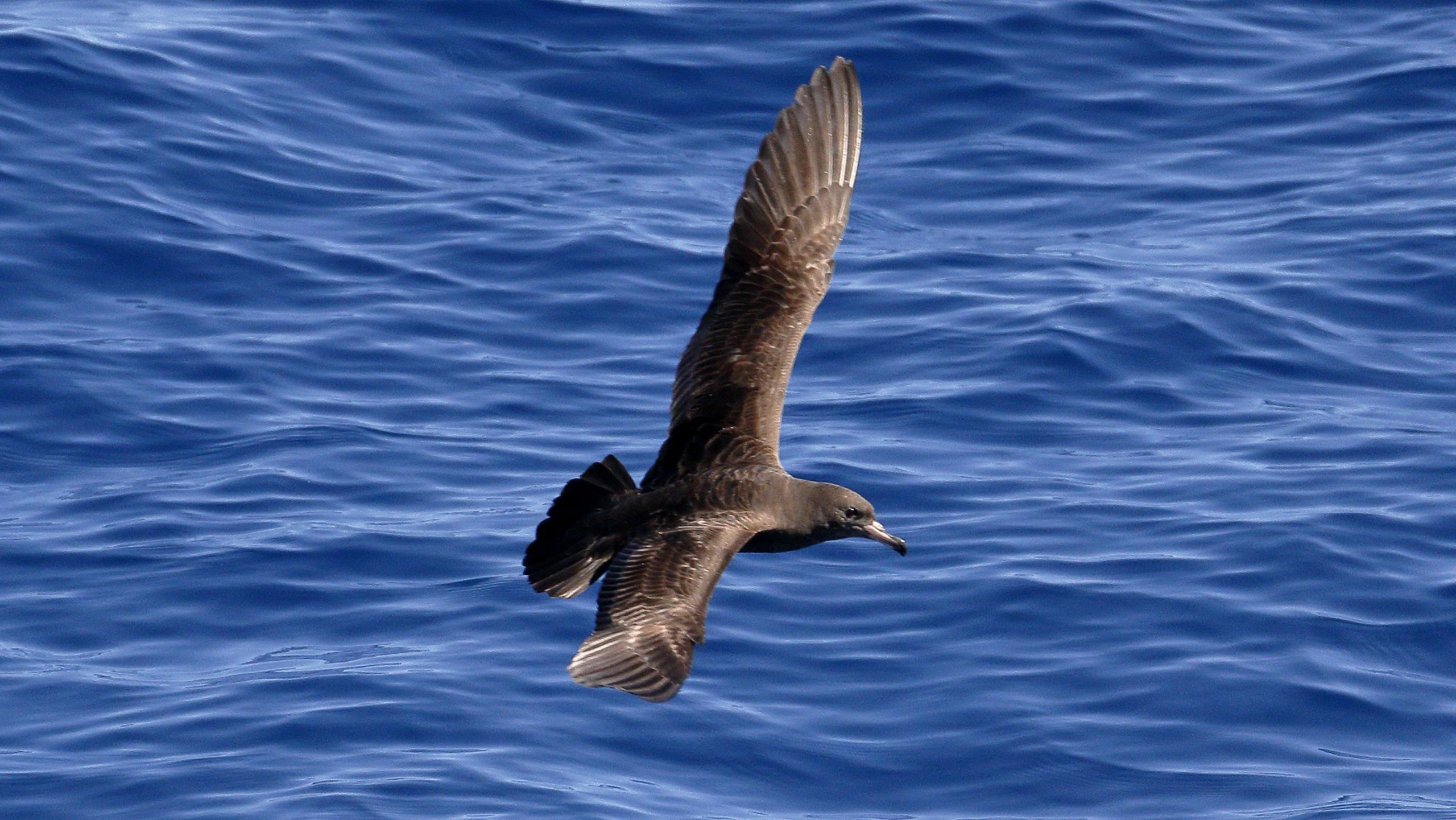
A University of Auckland study of ancient bird bone DNA, part of wider doctoral research, has identified two species of shearwater (genus Ardenna) that were present in the Marquesas Islands of French Polynesia some 650 years ago, using state-of-the-art DNA recovery methods.



The study has also confirmed that the red-tailed tropic bird, a predominantly white seabird ceremonially important for its striking red tail feathers and still around today, existed in the Marquesas as far back as at least 500 years ago.
Published on 1 March in Quaternary International, these findings are based on a large‑scale ancient DNA survey of Marquesan fauna drawn from multiple archaeological sites and representing several centuries of human occupation and diverse environments.
The transdisciplinary study is led by PhD anthropology student Patricia Pillay, with ancient DNA analysis supported by senior technician Natalie Remedios (Anthropology) and Associate Professor Anna Santure (Biological Sciences), one of Pillay’s doctoral supervisors.
The tiny bird bone fragments analysed for the study were excavated from archaeological sites on Nuka Hiva, the largest of the Marquesas Islands, by Professor Melinda Allen who is Pillay’s lead PhD supervisor.
Allen has done groundbreaking work in the excavation and analysis of flora and fauna from the Marquesas, focused on pinpointing the first human arrival, thought to be around the mid-12th century AD.
Her archaeological studies on Nuku Hiva date from 1996, soon after she joined the University of Auckland, and her team’s excavations over several years produced a multitude of bird bone fragments, some no bigger than a fingernail, which are the focus of Pillay’s genetic research.
Many of these were too small to be identified using traditional zooarchaeological (the study of animal remains) methods, says Pillay.
“Tropical archaeological bone is often poorly preserved or very fragmented, and bird bone can be especially challenging for ancient DNA and species identification. We wanted to see what we could learn from these tiny fragments that would otherwise be left unanalysed.”
Enter Remedios, who worked closely with Pillay to develop and refine the lab methods.
“In the palaeomolecular lab, we powder the bone, extract the DNA and then use a process called PCR (Polymerase Chain Reaction), which is a technique that takes a tiny, almost invisible sample of DNA and amplifies or ‘photocopies’ it millions or billions of times,” she says.
“This ensures we have enough of it to read a sequence, or genetic code, which we can then compare with online reference databases to see if we can identify which birds the bones belong to.”
A key feature of the study was the use of ‘bulk bone metabarcoding’, which allows the team to analyse many tiny fragments at once, says Remedios.
“Tropical archaeological bone is often poorly preserved or very fragmented, and bird bone can be especially challenging for ancient DNA and species identification.
“With metabarcoding, you don’t have to analyse each bone separately. You can combine multiple fragments in a single tube, and using next-generation sequencing, with a super-fast, high volume genetic reader, you can pull out many different DNA sequences at the same time. That makes it a much more efficient way to work with heavily fragmented bones.”
This approach has allowed the team, which includes bioinformatic specialist Dr William Pearman from the School of Biological Sciences, to distinguish between closely related species, like the white-tailed and red-tailed tropic birds.

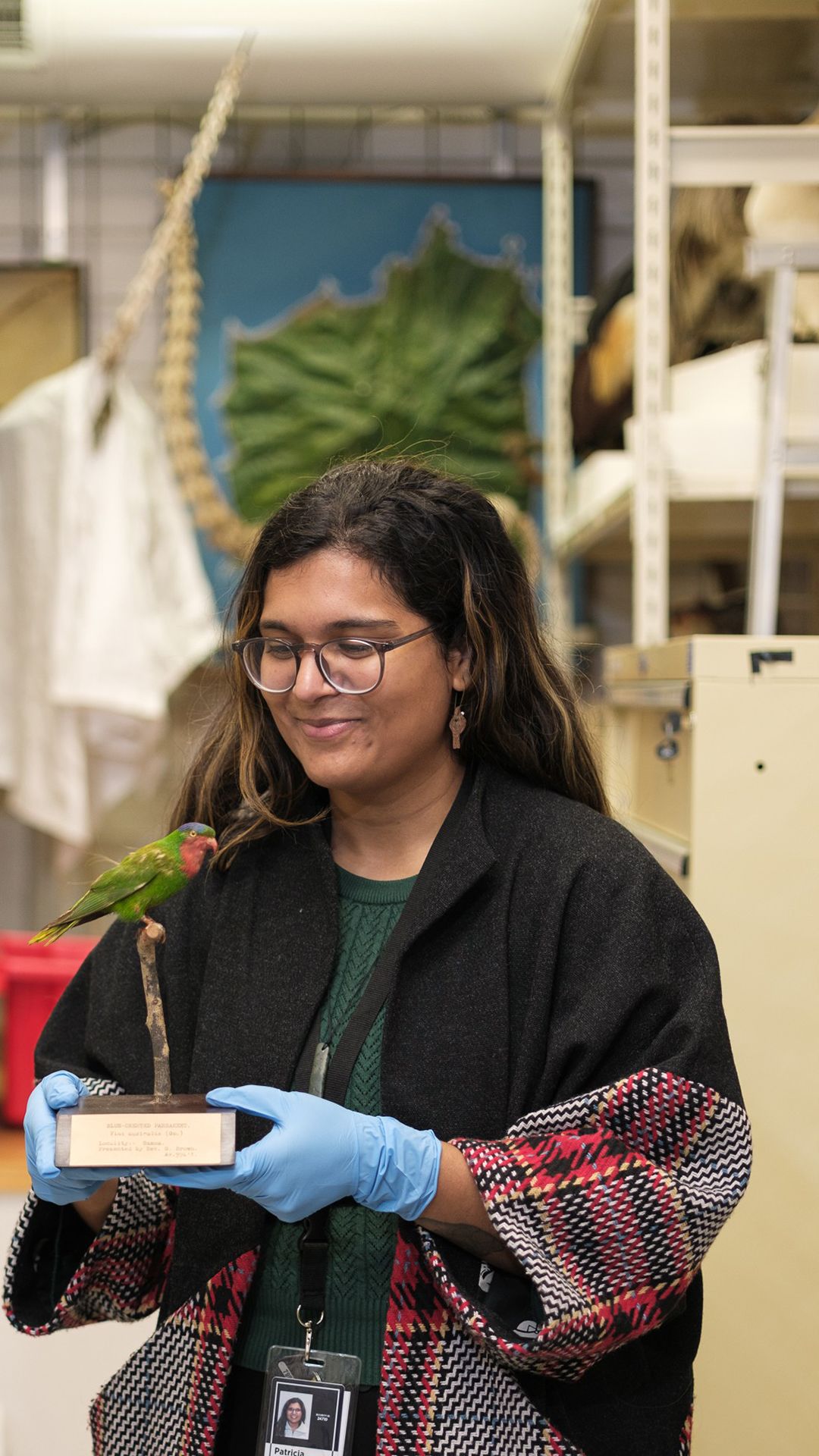
Pillay says the study highlights both the potential and the limits of ancient DNA in the Pacific. “Ancient DNA is sometimes treated as a quick identification tool, but in reality, there are many steps and uncertainties,” she says.
“In the Pacific we don’t yet have complete reference databases for many birds, so we often have to be cautious and report genus or family-level identifications. Even so, we can still gain valuable information from tiny bones that are poorly preserved.” The study also underscores the value of using existing museum and archaeological ‘legacy’ collections, says Pillay.

“We have an ongoing relationship with our colleagues in French Polynesia through the International Centre for Archaeological Research on Polynesia (CIRAP), who are really enthusiastic about the implications of this research for conservation efforts and for strengthening knowledge of the region’s bird species.”
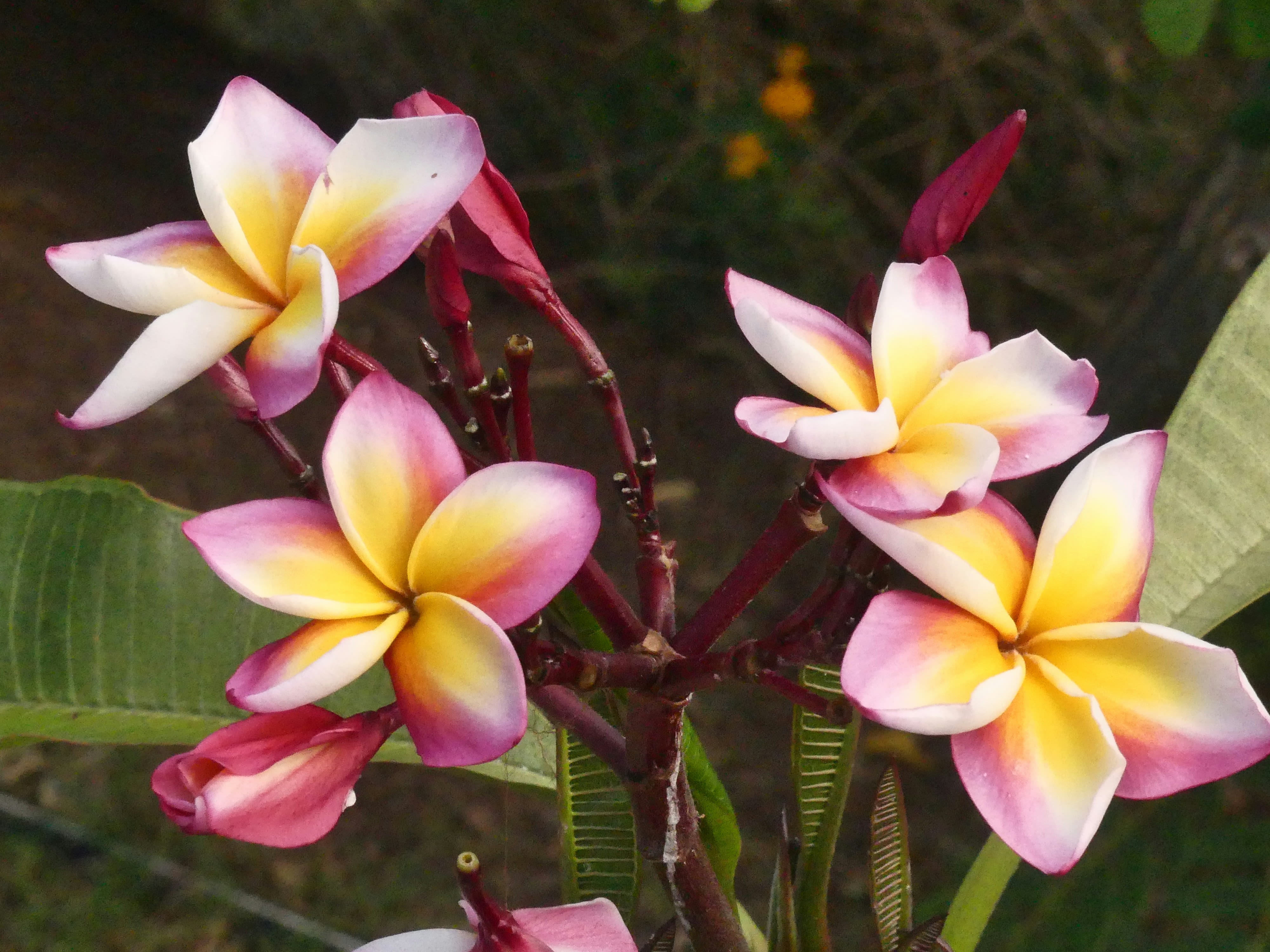
Pillay says the work also contributes to the natural and cultural heritage of the Marquesas Islands, which were recently included on the UNESCO World Heritage List.
Across the Pacific many birds have become locally extinct or been in critical decline over hundreds of years due to habitat loss and introduced predators, says Pillay, whose interest in wildlife has also seen her analyse the dental remains of Māori dogs (kurī).

Expanding from this study, Pillay's PhD focuses on the broader bird life of the Marquesas, including the archipelago’s once‑diverse, multi‑coloured parrots. While some species probably disappeared soon after human arrival, others have survived in the islands’ bird population today.
“What I’ve always been passionate about is what ancient birds and animals can tell us about how people and animals once cohabited,” says Pillay.

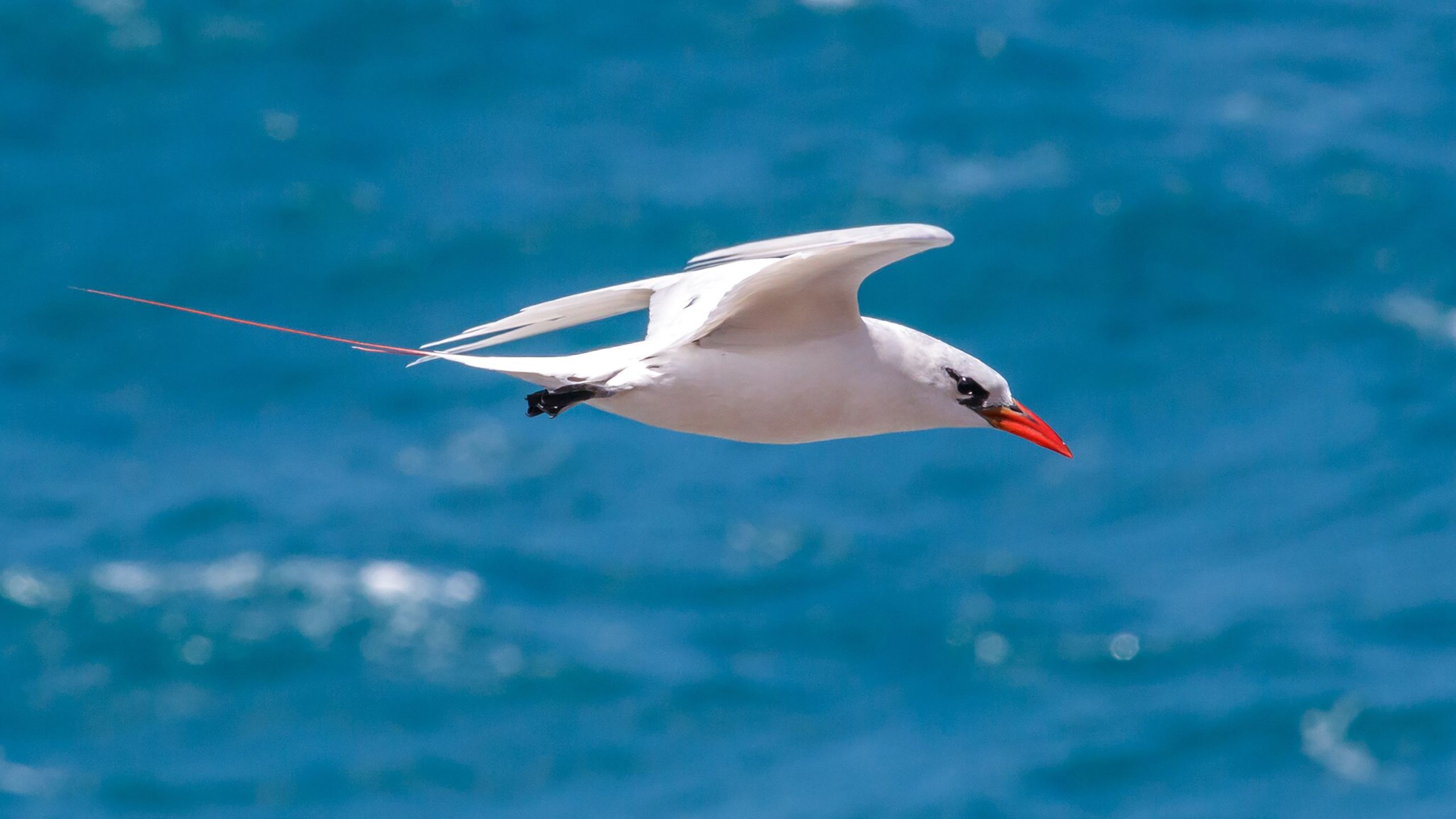
The red-tailed tropic bird has been part of the flora and fauna of the Marquesas Islands for at least 500 years. Tropicbirds are three species of medium-sized, mainly white pelagic seabirds (family Phaethontidae) known for their extremely long, thin tail streamers, loud calls, and plunging, fish-eating behaviour in tropical oceans. Photo: Wikimedia Commons
“In this case, I was interested in how Polynesians have interacted with birds through time, because it's important for conservation and heritage management today.”
“In this case, I was interested in how Polynesians have interacted with birds through time, because it's important for conservation and heritage management today.”
Bones, Barcodes and Biodiversity: Optimizing bulk bone metabarcoding analysis for tropical sub-fossil collections from Polynesia by Patricia Pillay, Natalie dos Remedios, William S. Pearman, Anna W. Santure and Melinda S. Allen is published in the March edition of Quaternary International.
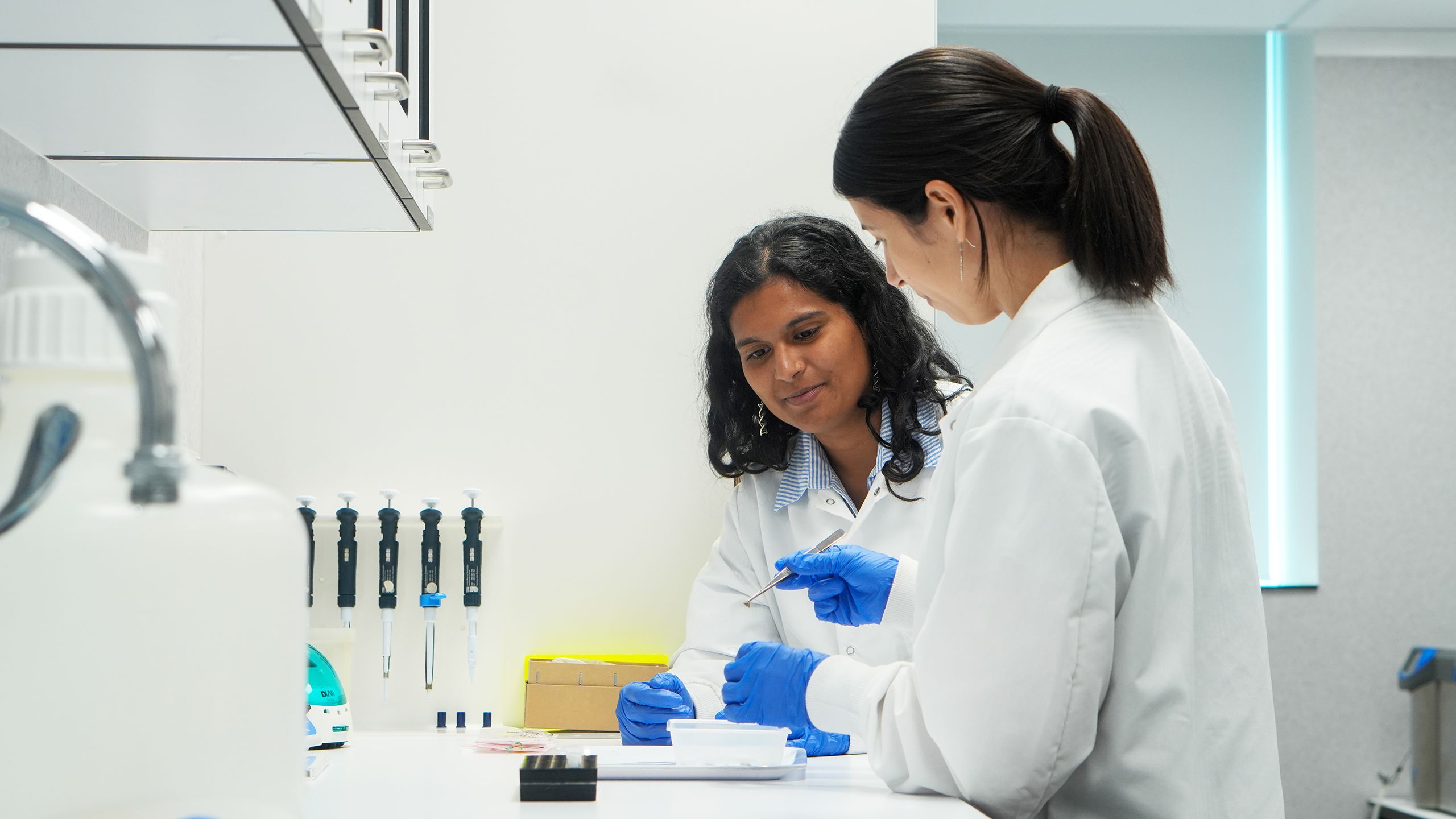
Patricia Pillay and Natalie Remedios analysing ancient bird DNA in the Anthropology laboratory in the B201 Arts and Education building on Symonds Street. Photo: William Chea
Patricia Pillay and Natalie Remedios analysing ancient bird DNA in the Anthropology laboratory in the B201 Arts and Education building on Symonds Street. Photo: William Chea
The team wishes to thank the communities of Nuku Hiva for their long-standing support of Allen’s archaeological field studies, particularly Madame Yvonne Katupa, community leader, heritage advocate, and former mayor of Hatiheu.




 Built with Shorthand